This is the flooring question we get more than any other, and most of the advice online answers it backwards. It starts with looks and budget, then treats moisture as a footnote. In practice, hardwood vs vinyl plank in Connecticut gets decided underneath the floor. It also depends which level of the house you're on. Preference matters, but it's the last variable, not the first.
Both products have gotten genuinely good. Luxury vinyl plank stopped looking like vinyl years ago, and engineered hardwood solved problems that solid wood never could. Neither one is the right answer everywhere, and anyone who tells you otherwise is selling one of them. There's a local angle too. Our housing stock has a lot of basements and slab on grade ranches. It also has older homes with original wood already down. Each of those pushes the decision in a different direction before you've picked a single color. Here's how to think through it, room by room.
Where Each One Wins
Hardwood wins on main living levels in homes with a wood subfloor over a crawl space or a basement. It looks and feels like what it is, it can be refinished, and it holds its appeal over decades. Luxury vinyl plank wins anywhere water is a realistic possibility. Basements, laundry rooms, mudrooms, and full baths are the obvious cases. It's waterproof, it handles concrete, and it doesn't care about humidity swings the way wood does.
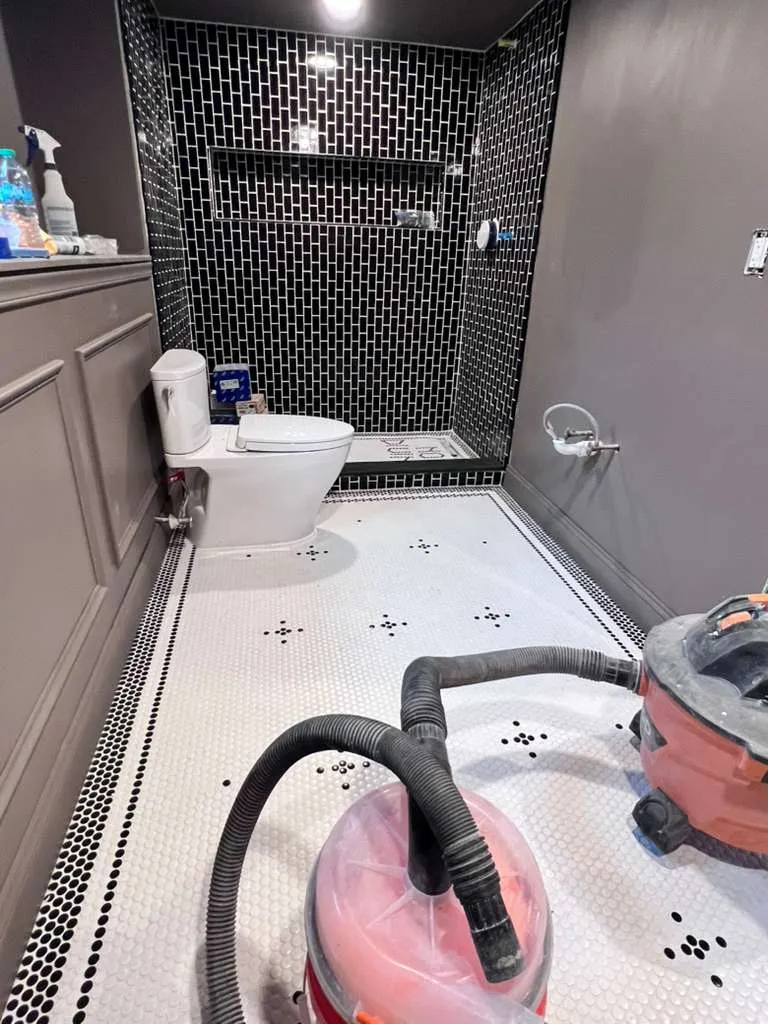
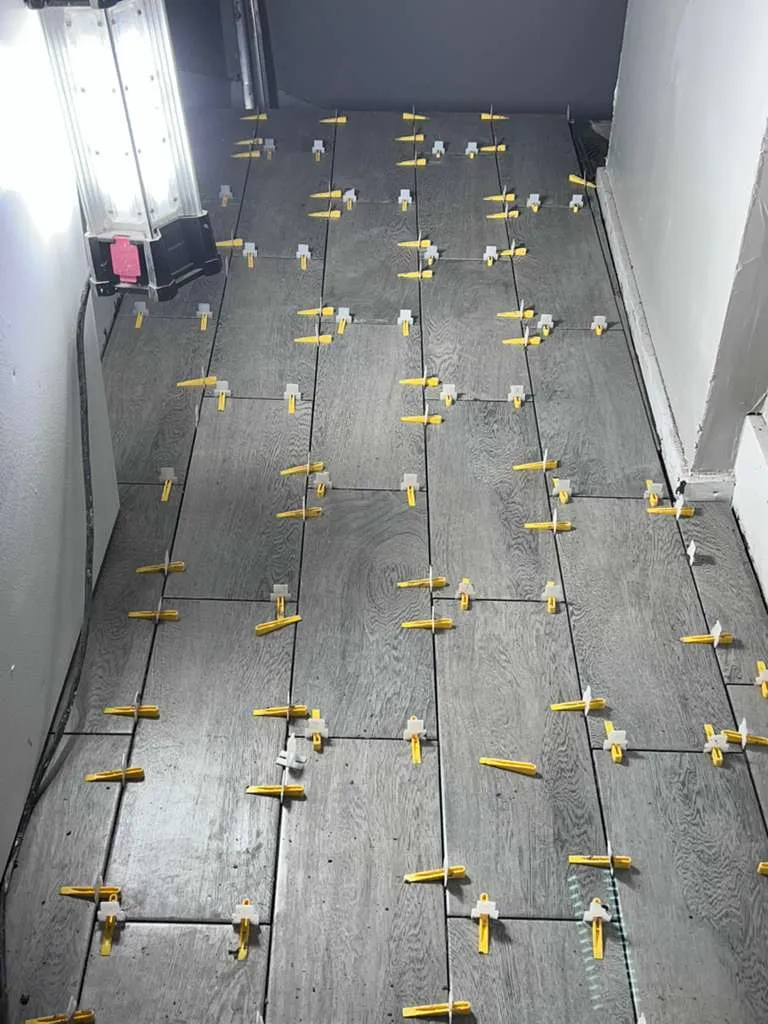
Tile wins in wet areas where you want permanence and don't mind the cost and the cold. Mixing is completely normal and often the right answer. Hardwood upstairs and on the main level, vinyl plank in the basement, tile in the bathrooms. The mistake is forcing one material through a whole house because it seemed simpler.
Moisture Decides More Than Preference
This is the part that gets skipped, and it's the part that ruins floors. Concrete slabs release moisture vapor. Always. A slab that feels bone dry can still push enough moisture upward to destroy a wood floor over time. That's why solid hardwood over a slab is a bad idea, and why engineered or vinyl plank exists.
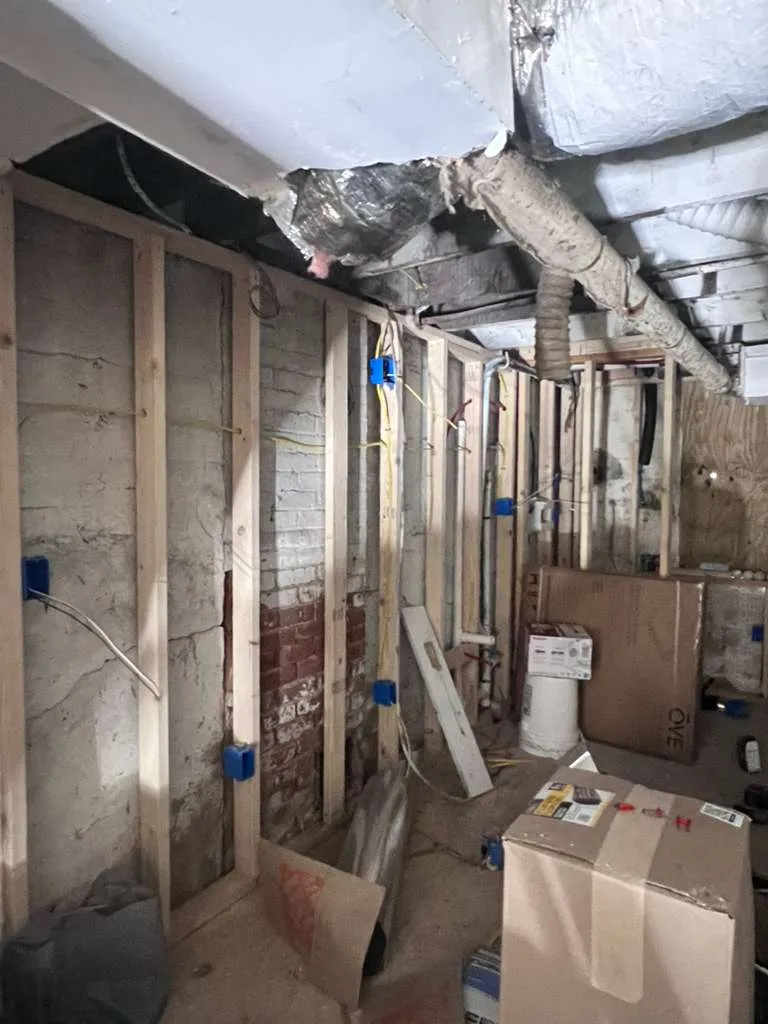
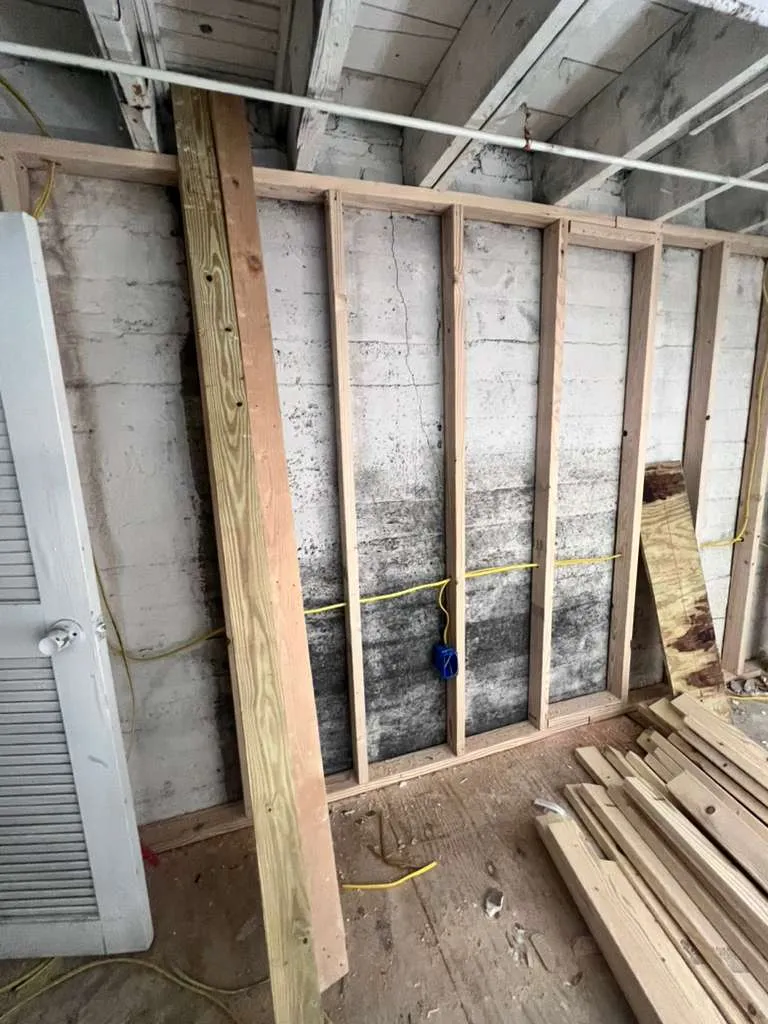
Basements are the same conversation, amplified. Even a dry basement in August is a different environment in March. Waterproof material isn't a luxury down there, it's the whole point. Crawl spaces matter too. Moisture coming up from an unsealed crawl space affects the floor above it. Any competent installer for a basement remodeling project should be testing the slab or checking the space below before recommending anything. If nobody looked underneath, the recommendation isn't worth much.
Cost, Lifespan, and Resale
Vinyl plank generally costs less to buy and less to install, partly because it's more forgiving and installs faster. Hardwood costs more up front in both material and labor. Lifespan runs the other direction. Vinyl plank wears out and gets replaced. Solid hardwood can be sanded and refinished several times, which means one floor can outlast several vinyl installations.
Engineered hardwood sits between them. It has a real wood wear layer, so it can usually be refinished, though fewer times than solid. It's far more stable in humidity swings. Resale perception favors hardwood on main living levels, and that's worth weighing if you might sell. Nobody has ever been penalized at closing for waterproof plank in a basement, though. Right material, right place is what actually reads as quality.
What Goes Underneath Matters More Than What Goes On Top
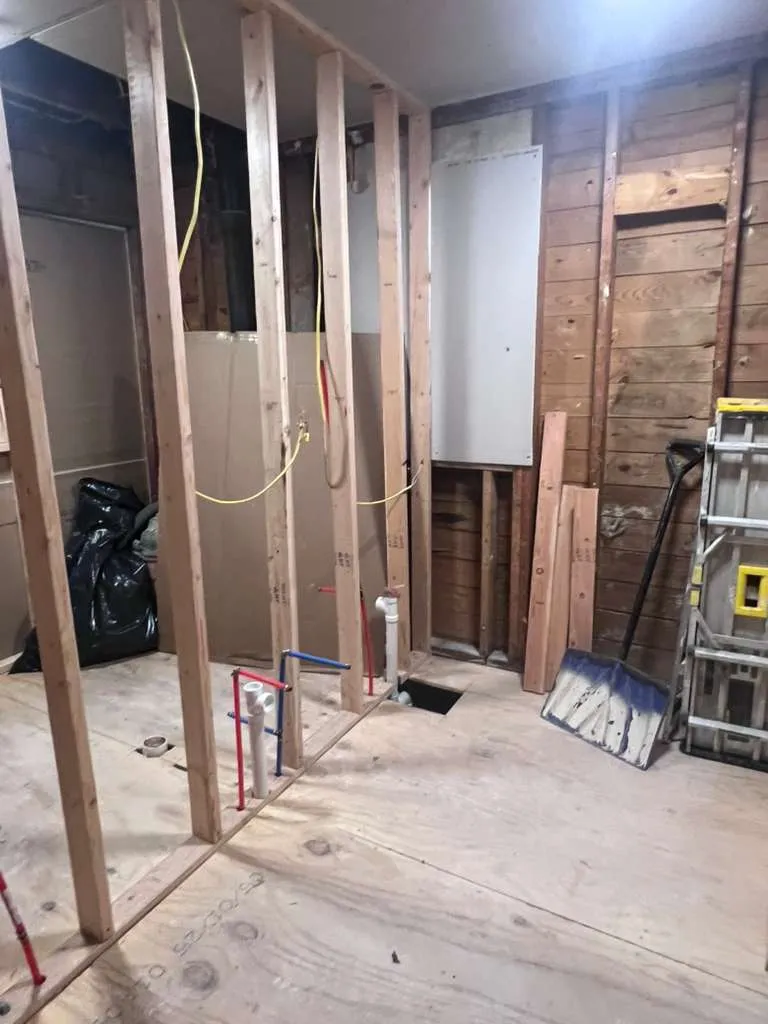
Whatever you choose, the subfloor decides whether it lasts. Floating floors, which includes most click lock vinyl plank, need a flat substrate. Dips get filled and high spots get ground down. Skip that and the floor flexes at every low point. Joints work loose, and it starts clicking underfoot within a year. Nail down hardwood needs a sound wood subfloor, properly fastened, with squeaks addressed before anything goes over them. Once the finish floor is down, that squeak is permanent.
Tile needs the least deflection of all three. A subfloor that flexes will crack grout lines within a season. Acclimation matters for wood. Boards sit in the room before installation so they've adjusted to its humidity. None of this shows up in a price per square foot, and all of it decides how the floor performs. A serious flooring installation quote includes the subfloor prep as its own line, priced by what the floor actually needs.
Subfloor Prep by Material Type
-
1
Click lock vinyl plank (floating). Needs a flat substrate. Dips filled, high spots ground down. Otherwise the floor flexes and joints work loose within a year.
-
2
Nail down hardwood. Needs a sound wood subfloor, properly fastened. Squeaks addressed first. Once the finish floor is down, that squeak is permanent.
-
3
Tile. Least deflection tolerated. A subfloor that flexes will crack grout lines within a season. Cement board or uncoupling membrane is standard.
-
4
Acclimation for wood. Boards sit in the room before installation to adjust to its humidity. Skipping this is why gaps and cupping show up months later.
The Bottom Line
Pick the material for the room, not the room for the material. Hardwood upstairs. Vinyl plank in the basement. Tile in the wet areas. And whichever you choose, the subfloor prep matters more than the color of the boards. Trim work and transitions are the third piece — finish carpentry is what makes a floor look installed rather than just placed. Request a free estimate that separates prep, material, and trim, so you know exactly what each part costs.